
Chapter 14: Reproducibility
What is reproducibility, what are sources of variability, how can reproducibility be assessed and improved.
14.1 Introduction
Reproducibility is one of the most important performance characteristics of any analytical method. A method may have a low detection limit, a wide linear range, and good agreement with laboratory techniques such as ICP-MS, but if repeated measurements produce substantially different results, confidence in the method will be limited.
For this reason, reproducibility has been a major focus during development of the OpenArsenic platform.
This chapter describes:
- What reproducibility means
- Sources of variability
- How reproducibility can be assessed
- How users can improve reproducibility
- Current reproducibility efforts within the OpenArsenic project
14.2 What is reproducibility?
In simple terms, reproducibility describes the ability of a method to produce similar results when the same sample is analyzed multiple times.
Perfectly identical results are rarely achievable. Instead, every analytical method exhibits some degree of variability. The goal is not to eliminate variability entirely but to keep it sufficiently small that the resulting concentration remains reliable and useful.
Good reproducibility increases confidence that observed differences between samples reflect real differences in arsenic concentration rather than measurement variability.
Several different forms of reproducibility are relevant to the OpenArsenic platform.
Repeatability: Repeated measurements performed under nearly identical conditions.
Examples: Same operator, same day, same electrode or the same sample
Intermediate precision: Measurements performed under slightly different conditions.
Examples: Different days, different standard solution batches, different electrodes
Operator-to-operator reproducibility: Measurements performed by different users.
Examples: different operators on the same laboratory setup.
Laboratory-to-laboratory reproducibility: Measurements performed at different sites.
Examples: OpenArsenic home laboratory vs. beta-testing locations. This represents a longer-term objective of the project.
14.3 Sources of variability
Many factors can influence reproducibility.
| Factor | Explanation |
|---|---|
| Electrode conditioning | Small differences in electrode conditioning can influence signal magnitude. |
| Sample preparation | Differences in volumes, mixing, acid additions may affect measurements. |
| Standard additions | Inaccurate pipetting can introduce variability. |
| Peak analysis | Different baseline selections may produce different peak heights. |
| Environmental factors | Factors such as electrical noise, temperature or vibrators may affect reproducibility. |
| Operator technique | Small procedural differences may contribute to variability between users. |
14.4 Reproducibility within a run
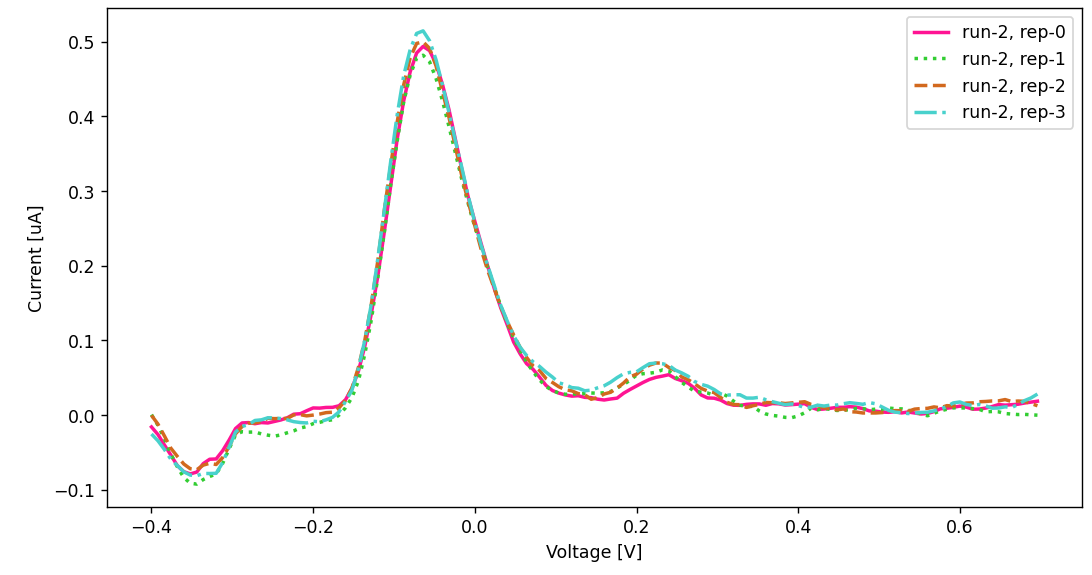
The first indication of reproducibility is obtained from replicate measurements within a run. The OpenArsenic workflow recommends: Four Replicates
for:
- Sample
- Standard Addition 1
- Standard Addition 2
These replicates provide immediate information about measurement stability. Indicators of good within-run reproducibility include:
✔ Similar peak heights
✔ Similar peak positions
✔ Stable baseline behavior
✔ Consistent voltammograms
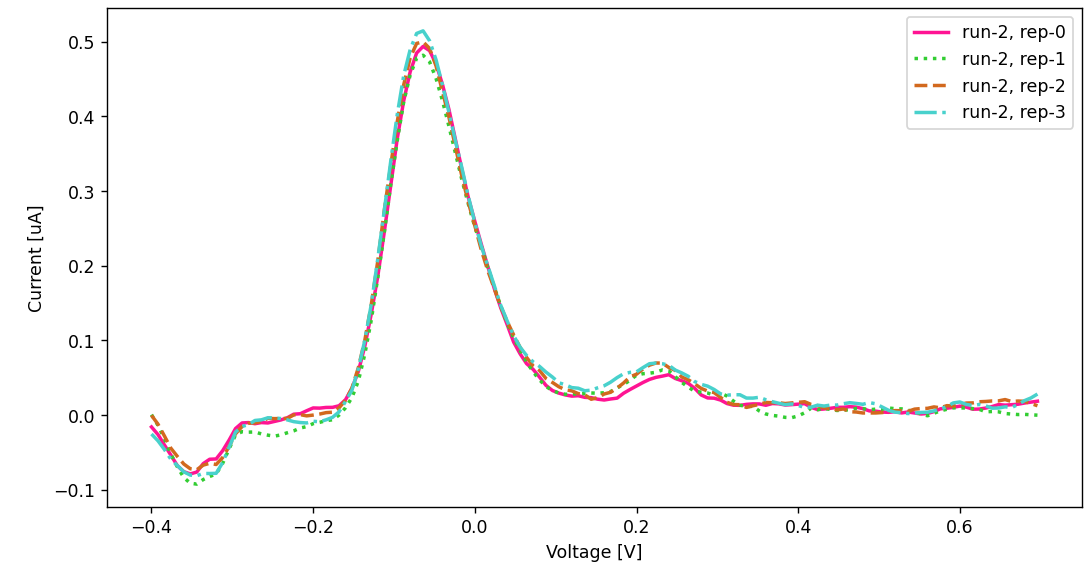
Figure 14.1. Replicate measurements showing good agreement within a run.
14.5 Day-to-day reproducibility
One of the most important forms of reproducibility is performance across multiple days.
During routine operation, users may:
- Prepare fresh solutions
- Recondition electrodes
- Reassemble equipment
Each of these activities introduces potential variability. To evaluate day-to-day reproducibility, the same groundwater sample was analyzed twenty times over a two-week period using the standard OpenArsenic workflow.
The study included:
- Electrode conditioning before measurements
- Standard sample preparation procedures
- Standard addition analysis
- Independent measurements performed on different days
The mean measured arsenic concentration was: 32.24 µg/L with a standard deviation of: 2.01 µg/L corresponding to a relative standard deviation (RSD) of: 6.2%.
No systematic drift in measured concentration was observed over the duration of the study.
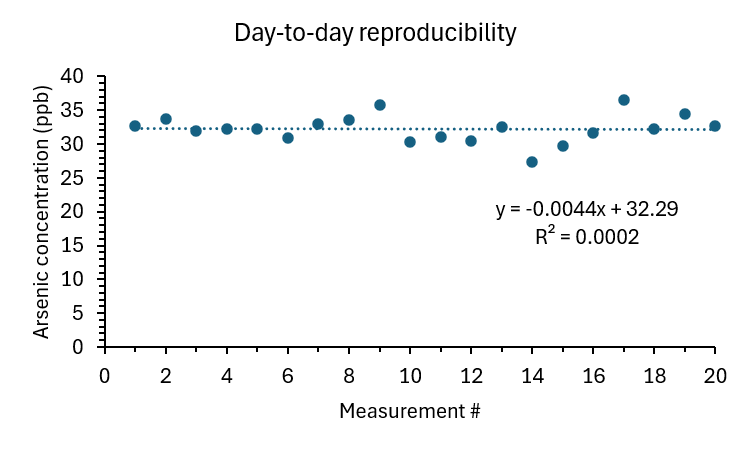
Figure 14.2. Day-to-day reproducibility study showing 20 arsenic measurements of the same sample measured over the course of 2 weeks.
14.6 Operator-to-operator reproducibility
One of the primary objectives of OpenArsenic is enabling new users to perform reliable arsenic measurements. As a result, operator-to-operator reproducibility is especially important.
The current project includes comparison measurements performed by experienced users and new users
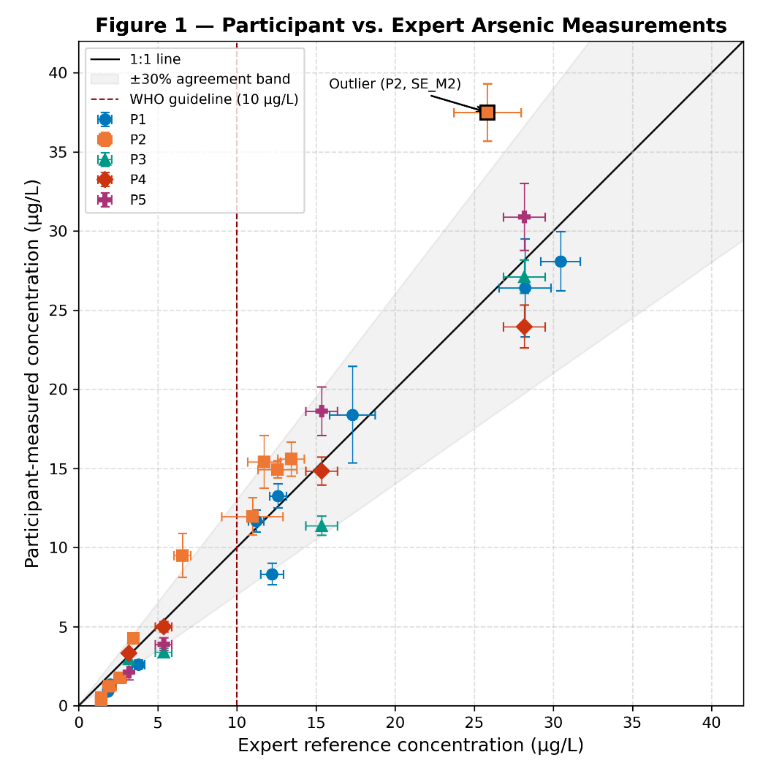
Figure 14.3. Comparing measurements from different operators helps evaluate method transferability.
14.7 Improving reproducibility
Several practices can improve reproducibility.
| Factor | Explanation |
|---|---|
| Consistent conditioning | Always perform electrode conditioning using the same procedure. |
| Consistent sample preparation | Use standardized preparation procedures. |
| Consistent standard additions | Use calibrated pipettes and verified standards. |
| Consistent peak analysis | Apply the same peak analysis tactics consistently. |
| Good documentation | Record deviations and observations. |
| Routine equipment maintenance | Inspect hardware regularly, especially cables. |
14.8 Common reproducibility problems
| Problem | Possible causes |
|---|---|
| Large variation between replicates |
|
| Drift over time |
|
| Differences between operators |
|
| Inconsistent standard addition response |
|