

Chapter 7: Solution preparation
Preparation procedures for the solutions currently used by the OpenArsenic platform.

7.1 Introduction
Reliable arsenic measurements depend on reliable reagents. The OpenArsenic method uses a small number of solutions that can be prepared using standard laboratory equipment. Consistent preparation of these solutions helps ensure reproducible measurements between users, laboratories, and measurement campaigns.
This chapter provides preparation procedures for the solutions currently used by the OpenArsenic platform.
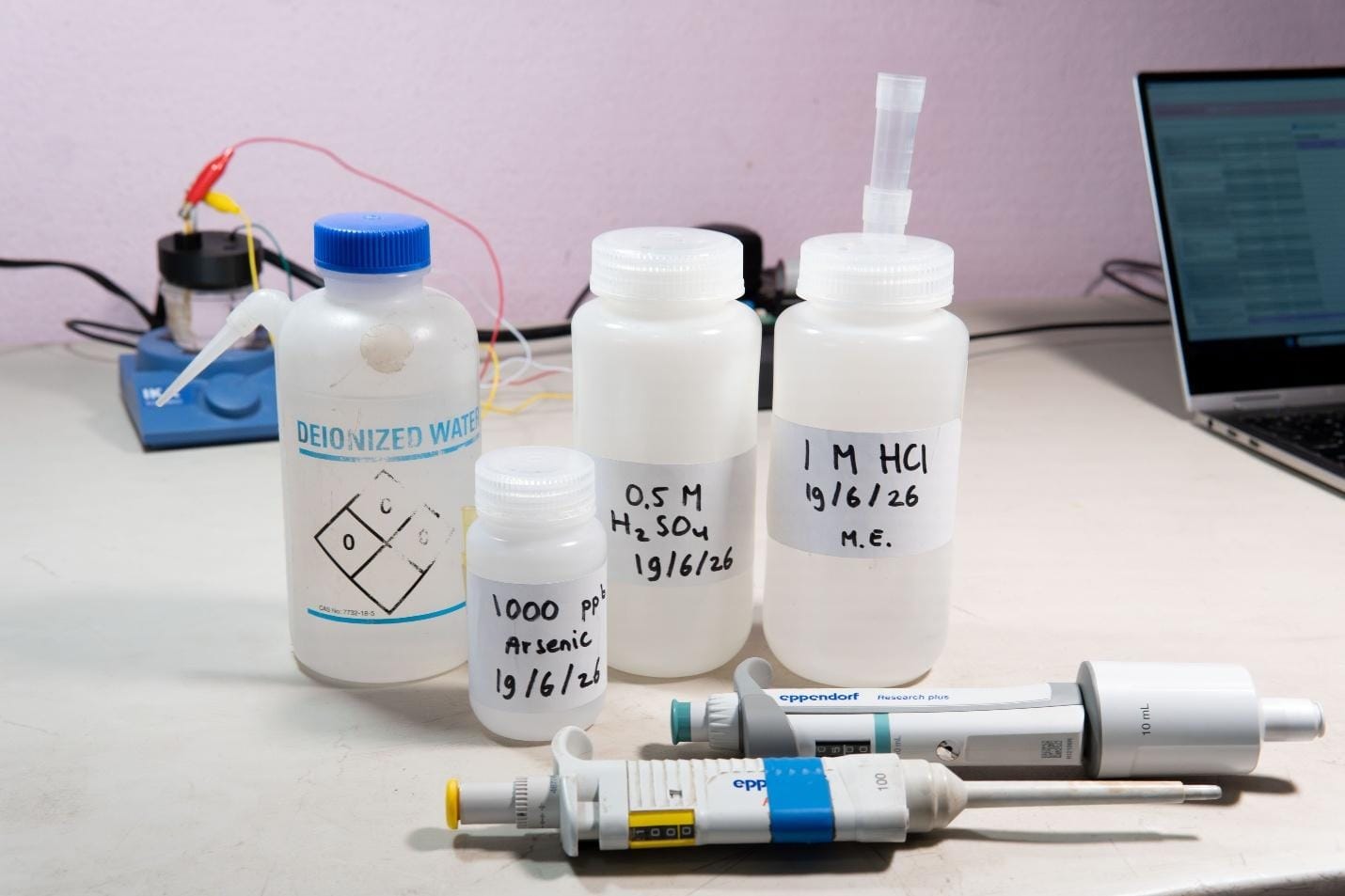
Figure 7.1. Overview of solutions commonly prepared for OpenArsenic measurements.
7.2 Required equipment
Recommended equipment includes:
- Volumetric flasks
- Graduated cylinders
- Pipettes
- Analytical balance (if preparing standards)
- Deionized water
- Chemical-resistant containers
7.3 Preparation of 1 M hydrochloric acid
Purpose
HCl is used for sample preparation and supporting electrolyte during arsenic measurements.
Materials
- Concentrated HCl (typically ~37%, ~12 M)
- Volumetric flask (1 L)
- DI water
- Fume hood, gloves, goggles
Procedure
- Place ~800 mL DI water in a 1 L volumetric flask.
- Slowly add 83 mL of concentrated HCl (12 M → dilute to 1 M). Always add acid to water.
- Mix gently and allow to cool.
- Fill to the 1 L mark with DI water.
Storage
Store in a clearly labeled container.
- Recommended Label: 1 M HCl, Date, Prepared by
7.4 Preparation of 0.5 M sulfuric acid
Purpose
Used for electrode conditioning and cleaning.
Materials
- Concentrated sulfuric acid (~18 M)
- Volumetric flask (1 L)
Procedure
- Add ~900 mL DI water to a 1 L volumetric flask.
- Slowly add 28 mL concentrated H₂SO₄.
- Mix and allow heat to dissipate.
- Top up to 1 L.
- Label: “0.5 M H₂SO₄ – for electrode conditioning”.
Always add acid to water.
Never add water directly to concentrated sulfuric acid.
7.5 Preparation of arsenic standards
Purpose
Arsenic standards are used for standard additions, method validation and performance checks.
Whenever possible, commercially prepared certified standards are recommended. Commercial standards provide:
• Known concentration
• Improved traceability
• Reduced preparation errors
7.5.1 Preparing 1000 mg L⁻¹ As(V) stock (100 mL)
Reagents
- Na₂HAsO₄·7H₂O (0.4165 g needed)
- 1 M HCl (pH adjustment)
Procedure
- Weigh 0.4165 g Na₂HAsO₄·7H₂O into a 100 mL volumetric flask.
- Add ~0.16 mL 1 M HCl to adjust pH to ~7.8.
- Fill to 100 mL with DI water.
- Mix until fully dissolved.
- Label: “1000 mg/L As(V) – toxic – store refrigerated”.
7.5.2 Preparing 1000 mg L⁻¹ As(III) stock (100 mL)
Reagents
- As₂O₃ (0.132 g needed)
- 1 M NaOH (for dissolution)
- 1 M HCl (to neutralize)
Procedure
- Add 0.132 g As₂O₃ to a 100 mL volumetric flask.
- Add 1–2 mL 1 M NaOH.
- Add DI water to ~50 mL; swirl until dissolved.
- Neutralize with ~1 mL 1 M HCl (target pH 6–7).
- Fill to 100 mL with DI water.
- Label and refrigerate.
7.5.3 How to prepare working arsenic standards (1 mg L⁻¹)
Procedure
- Pipette 100 µL of a 1000 mg L⁻¹ stock into a 100 mL volumetric flask.
- Fill to the mark with DI water.
- Mix well.
- Store refrigerated; remake monthly.
Tip: Use dedicated glassware to prevent cross-contamination.
7.6 Reagents shelf life
The following shelf lives are recommended unless local procedures specify otherwise.
| Reagent | Recommended shelf life |
|---|---|
| 1 M HCl | 6 months |
| 0.5 M H₂SO₄ | 6 months |
| Arsenic standards | Follow supplier guidance |
| DI water | Freshly prepared when possible |