
MothBox Open Hardware for Automated Insect Monitoring
In this post we are highlighting the Mothbox project, an open hardware tool for biodiversity monitoring.
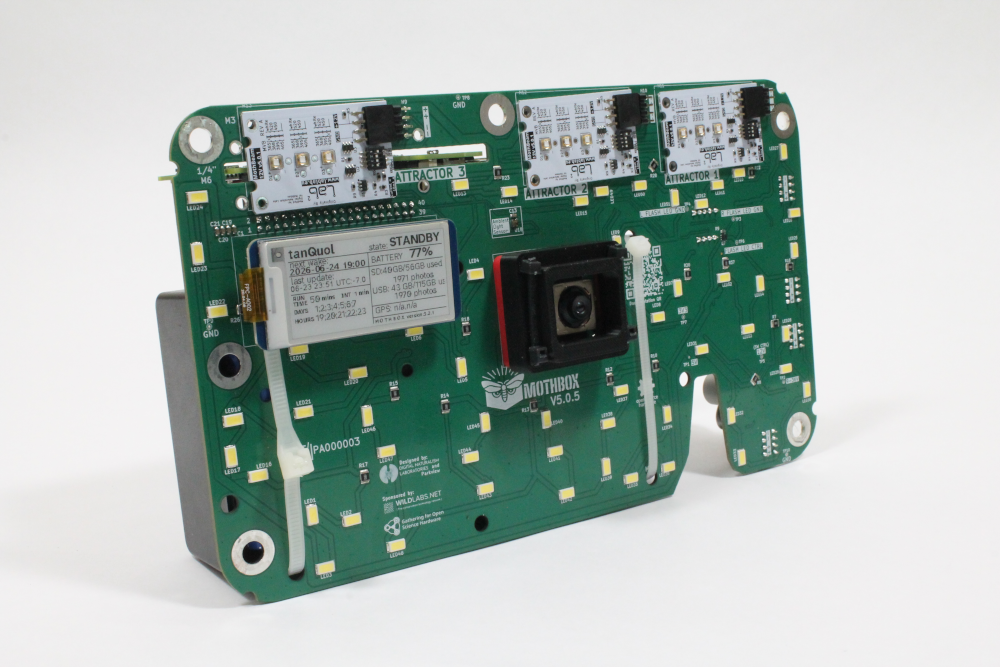
The Mothbox is an open hardware field device for automated insect monitoring, developed by Andy Quitmeyer and team at Digital Naturalism Labs in Panama. Mothbox users include conservation biologists or anyone interested in biodiversity monitoring and ecological research.
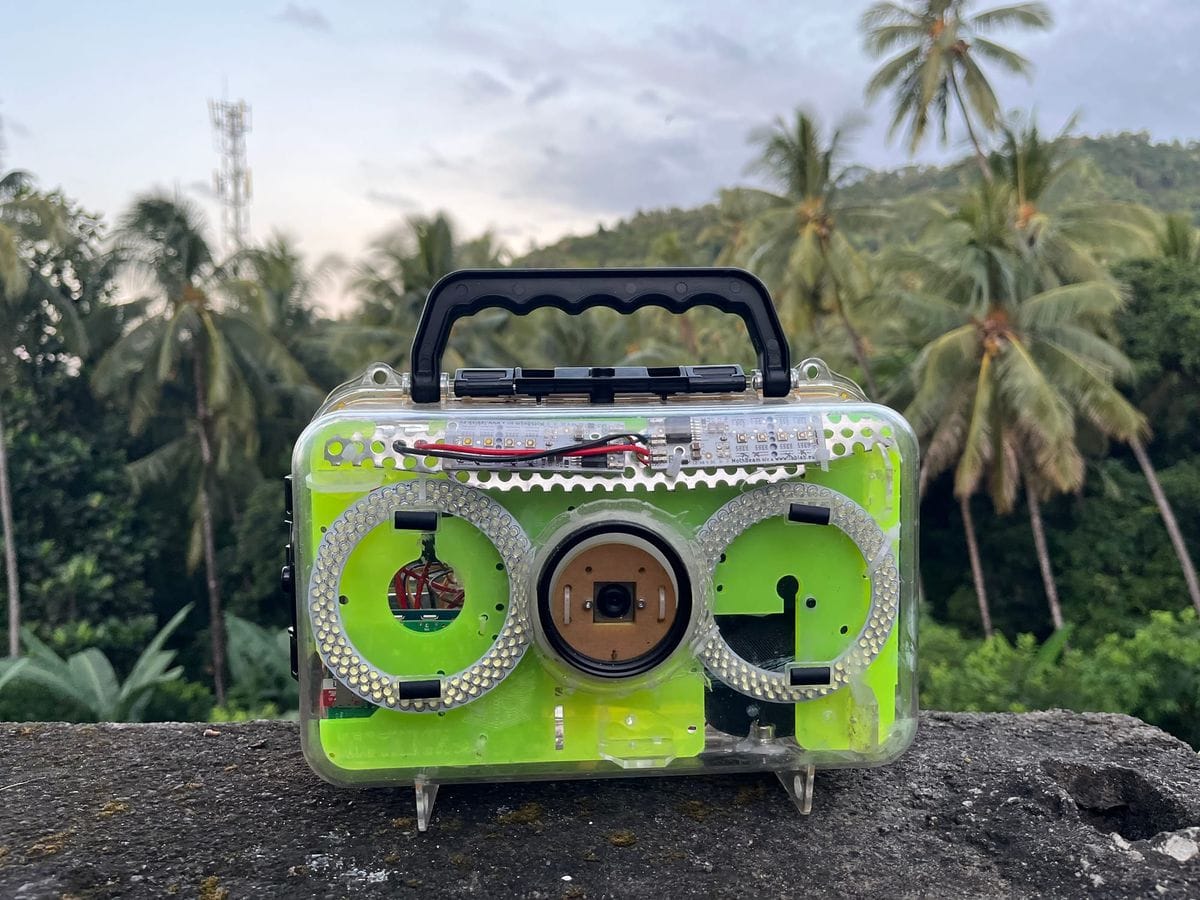
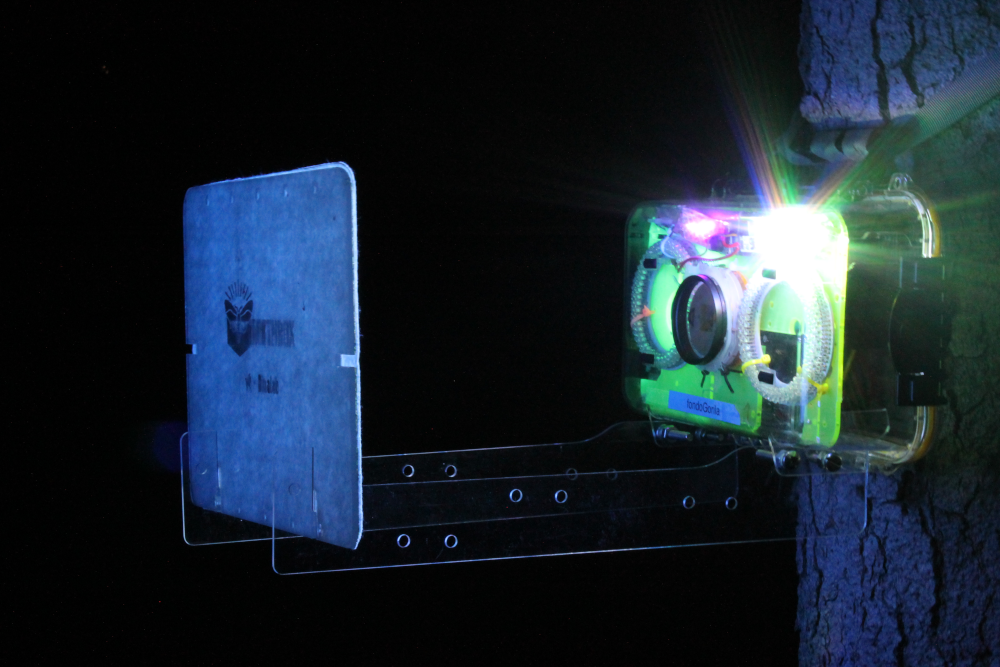
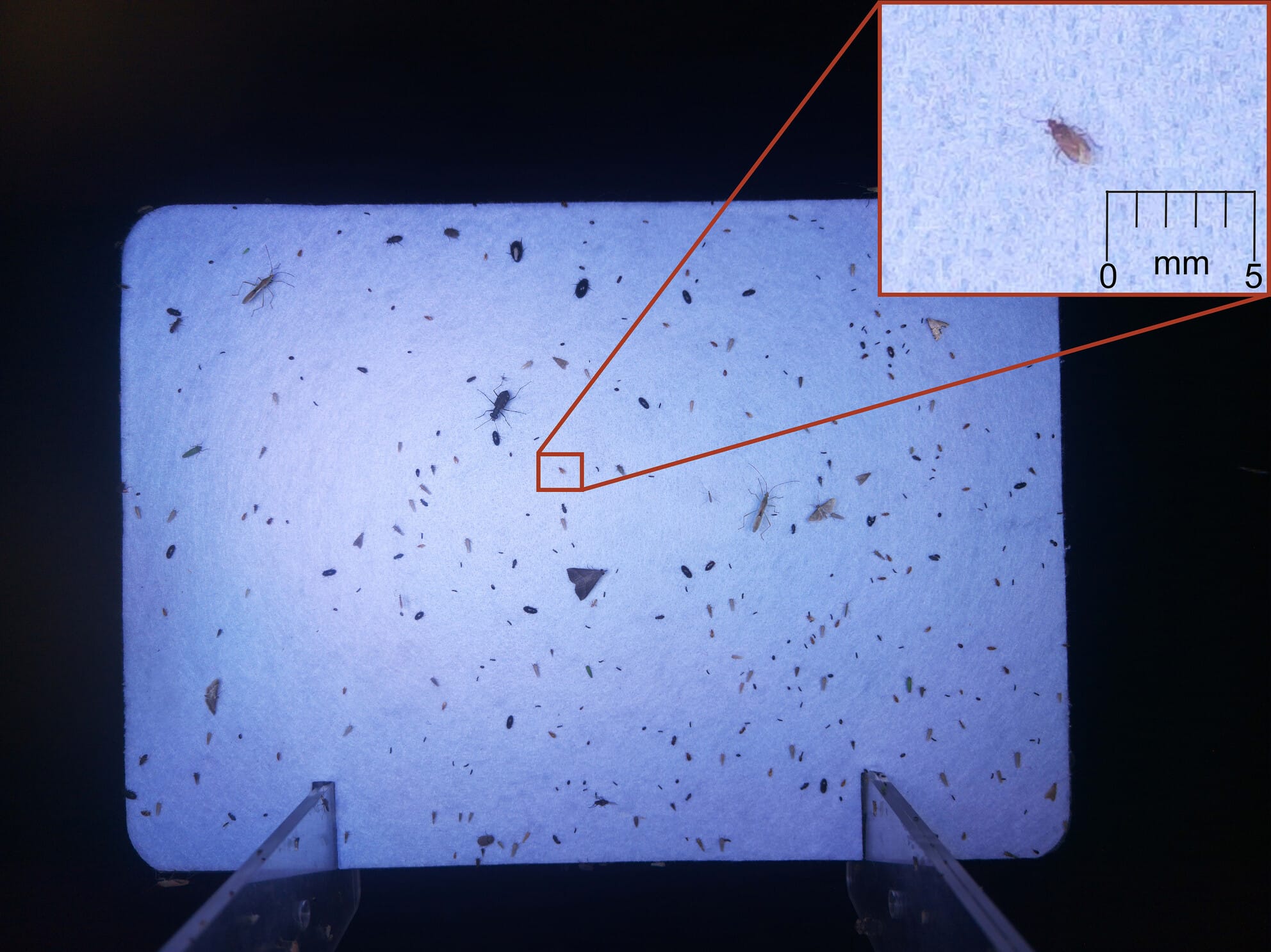
The Mothbox device integrates a Raspberry Pi computer, a high-resolution camera and specialized attractor lights for capturing images of nocturnal insects. Electronics are housed in a waterproof case with the Mothbeam attractors and camera facing a white "target" screen mounted on laser-cut acrylic arms. Insects attracted to the target are captured by the high-resolution camera. Users can easily program the Mothbox to follow a specific sampling schedule e.g. timing and duration of the bright Mothbeam attractor lights and camera image capturing schedule. This user control over sampling as well as portability and affordability of the device makes it a great tool for conservation biologists and hobbyists interested in exploring insect diversity in different habitats and conditions.
Mothbeam Attractor PCBs
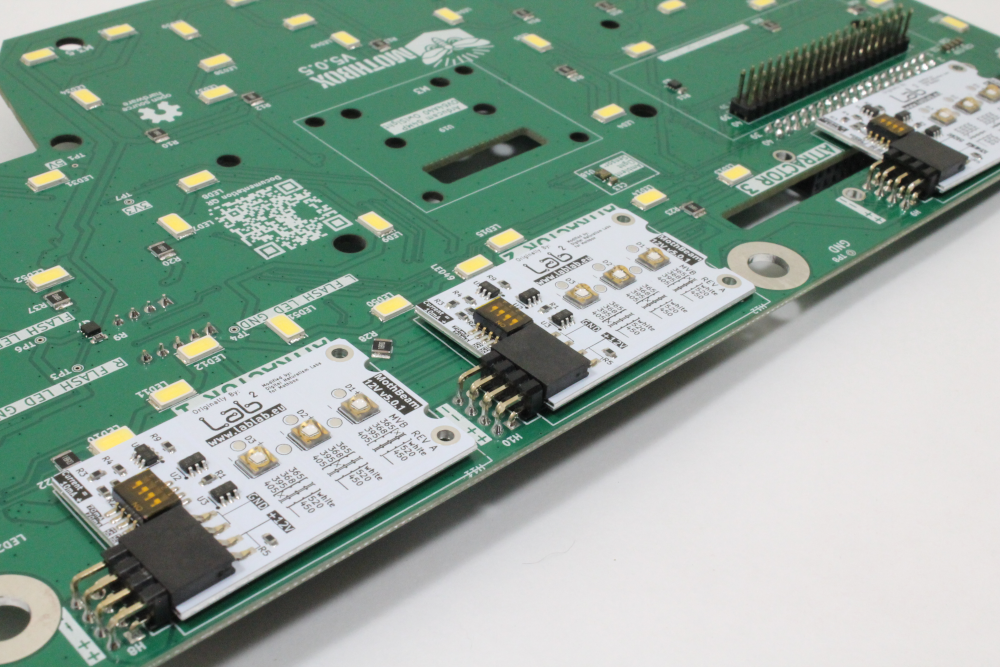
Before discussing more about the Mothbox, we wanted to also introduce an the Mothbeam attractor lights. Mothbeams are an open hardware LED board designed by Moritz Buttlar at LabLab in Germany in collaboration with the Mothbox team. There are two versions used as attractors that each have 3 different wavelength LEDs:
- UV board: wavelengths are 365nm, 395nm, 405nm
- Visible light board: white light, 450nm (blue) and 520nm (green)
Mothbeam boards can be easily changed with each Mothbox using up to 3 mothbeam boards. This flexibility is important for researchers that are investigating species-specific attractor wavelengths. For most general purposes users may want to start with one of each UV + Visible, but the Mothbox can be easily modified to test different combinations for attracting specific types of insects.
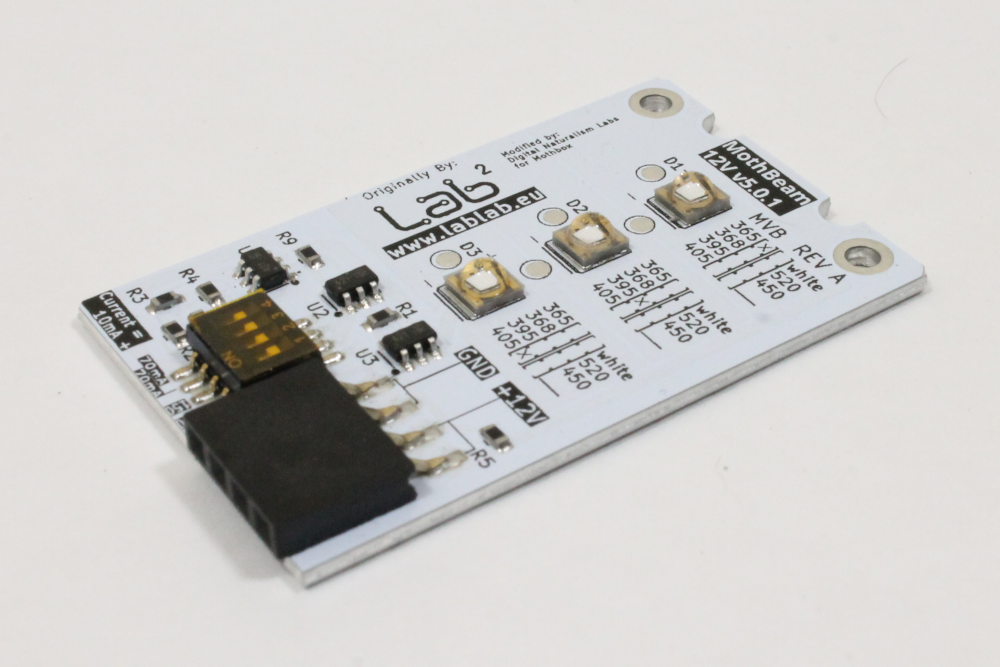
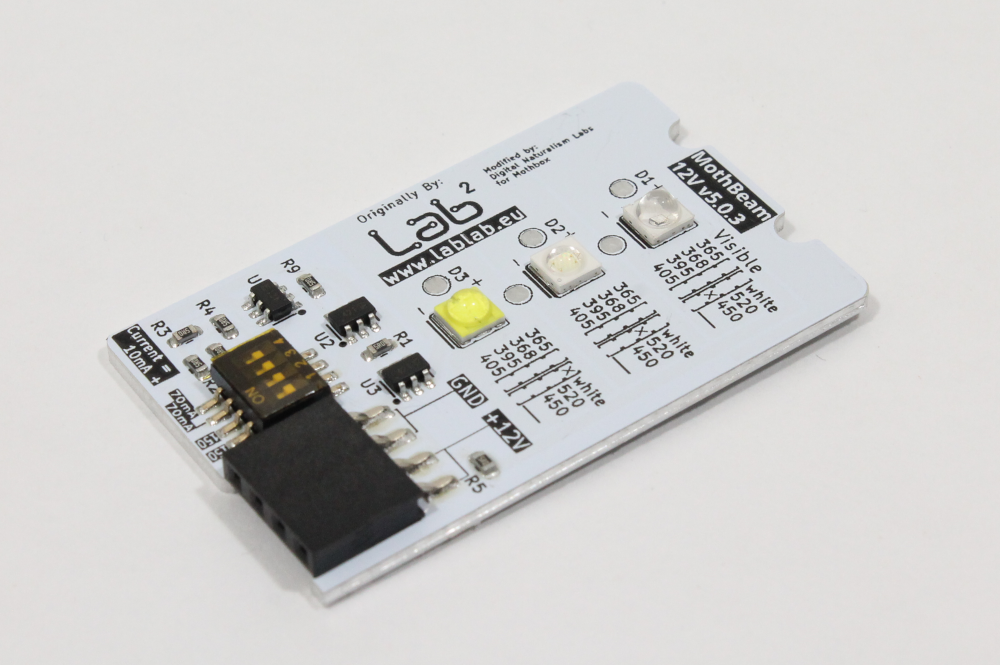
Mothbeam PCBs with UV LEDs (left) or Visible light LEDs (right)
Mothbot open source image-processing software can be used to rapidly identify and classify collected images.
In the peer-reviewed paper "Mothbox and Mothbot: Automated light trap and dataprocessing system for scalable insect monitoring" the authors present results from proof-of-concept field deployment studies in Panama. Mothboxes were deployed across different locations and times, and the images was processed using Mothbot software. A land use study for example showed differences in species richness between mature forests, and native tree plantation compared to a non-native restoration forest.
Two Mothbox versions: DIY and Pro
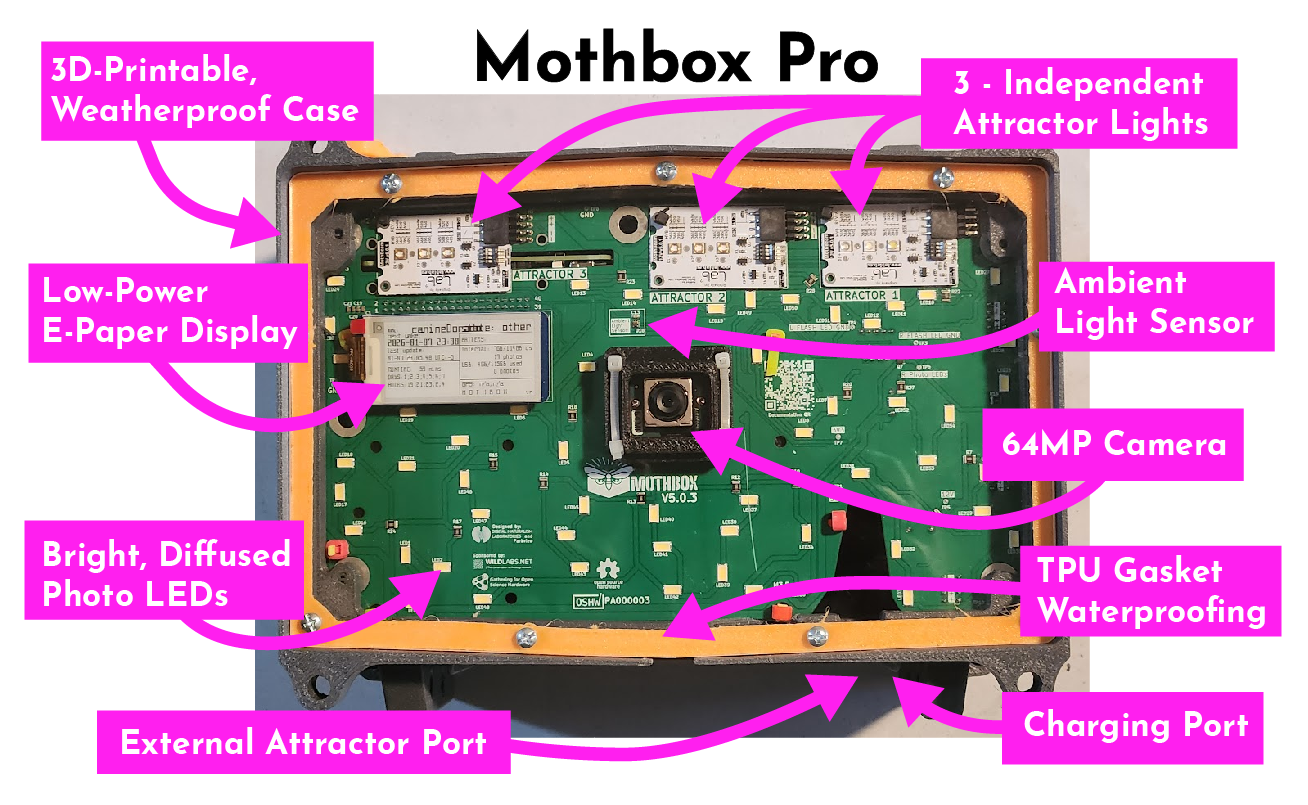
There are two different versions of the Mothbox: the DIY version and the newer Pro version. The DIY version supports a "Do-It-Yourself" construction whereas the Mothbox Pro combines the electronic components of Mothbox DIY into a single printed circuit board and is designed for streamlined manufacturing. The Mothbox Pro PCB also includes an ambient light sensor, internal temperature sensor, as well as features for users to add customizations such as attaching an external temperature sensor and adding GPS to the unit.
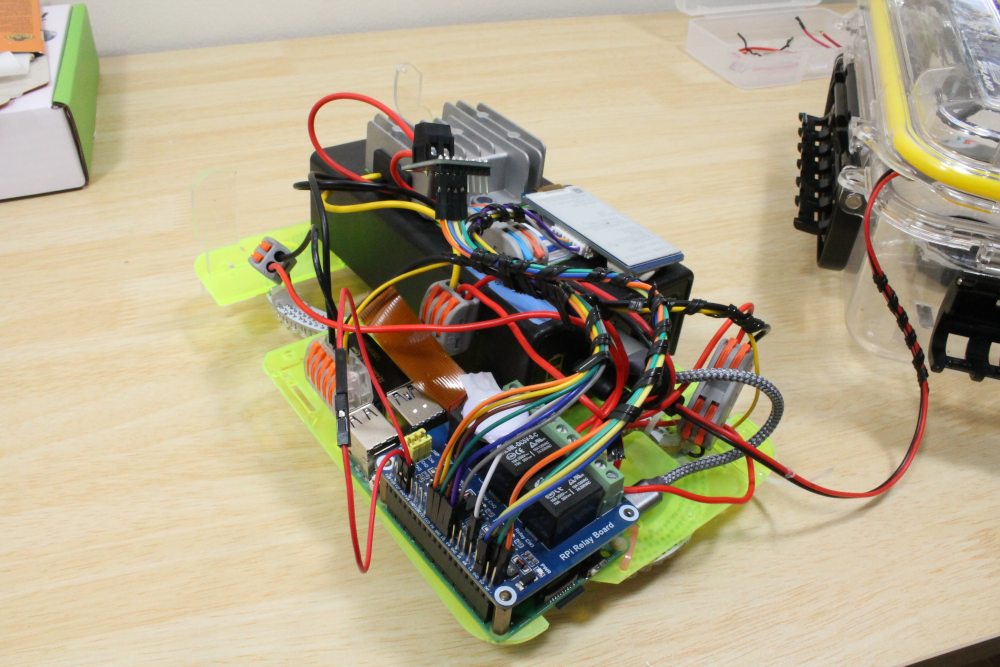
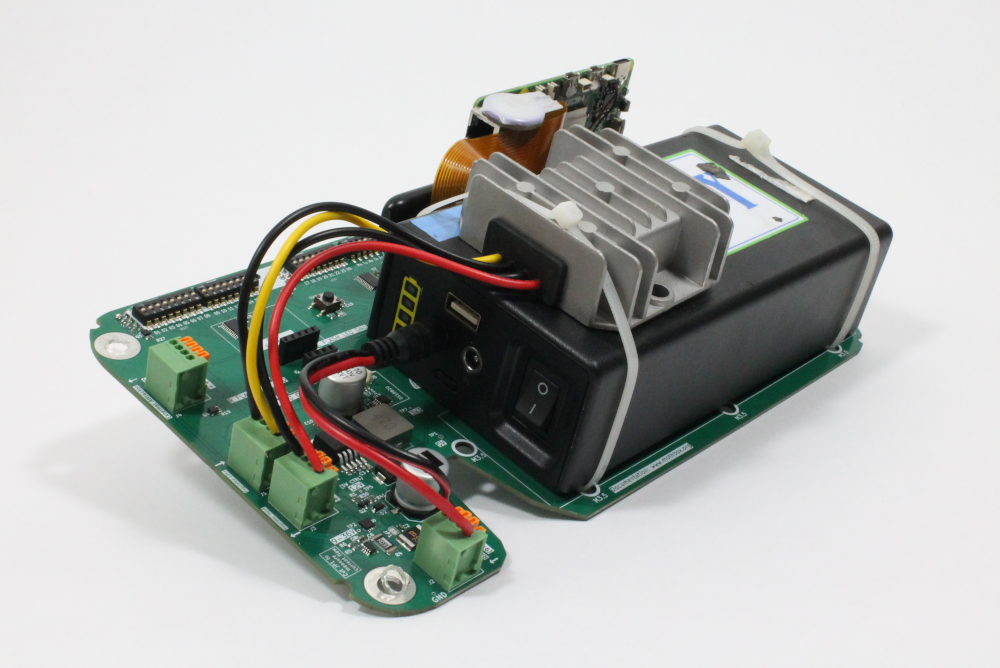
Images of the internal assembled electronics of the Mothbox DIY version (LEFT) versus Mothbox Pro (RIGHT).
Distributed Manufacturing of Mothbox Open Hardware
To support distributed manufacturing of the Mothbox Pro device, the Mothbox project team is partnering with Open Science Shop, a collective of open science hardware manufacturers and vendors. Open Science Shop vendors are also supporting the distributed manufacturing of the OpenFlexure Microscope.
Open Science Shop vendors in several countries are currently developing assembled Mothboxes and kits which will make it easier for users to find the parts locally and affordably, avoiding import fees and shipping costs.
IO Rodeo participates in Open Science Shop as a US-based vendor. The Mothbox Pro mainboard PCB ($75) and the Mothbeam Attractor PCBs ($16) are available from our online store.
Mothbox Assembly Instructions
There are excellent instructions for building both the DIY and Pro versions on the project website. In addition, the GOSH Community Forum has a very useful thread detailing a community users experience and notes building the Mothbox.

 gould99
Additional Parts & Tools Required
In addition to the Mothbox Pro PCB and Mothbeam Attractor PCBs, you will need several more electronics items including a Raspberry Pi 5 4GB or higer, Arducam Owlsight camera, Epaper display and a battery. All of the parts with links to vendors can be found on the Parts page.

IO Rodeo Mothbox Build
For informational purposes we have included some images from assembly of a Mothbox Pro, but we encourage readers to check out the official instructions listed above.
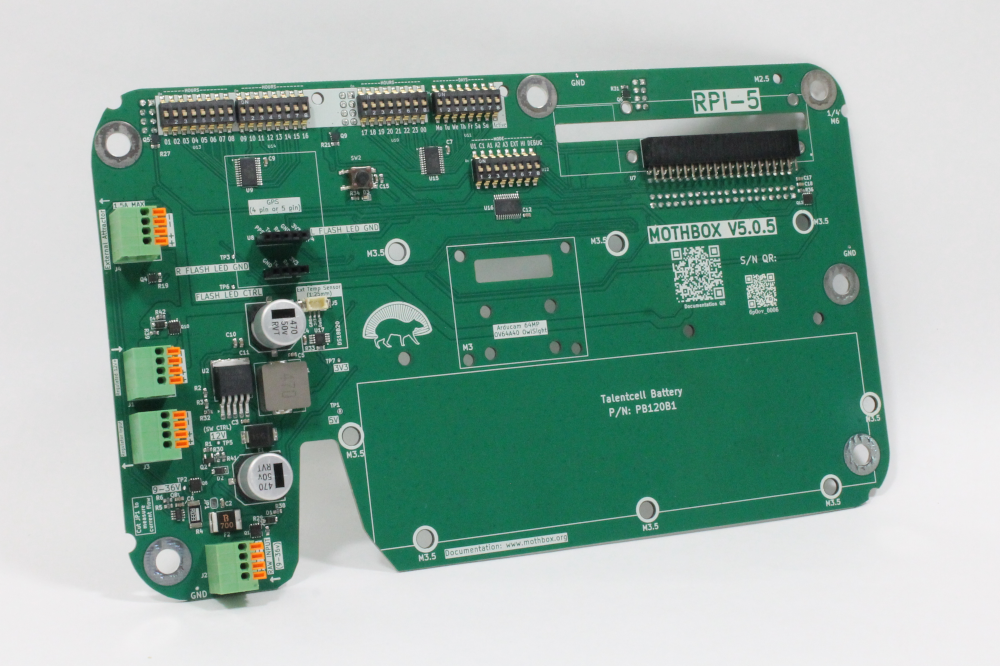
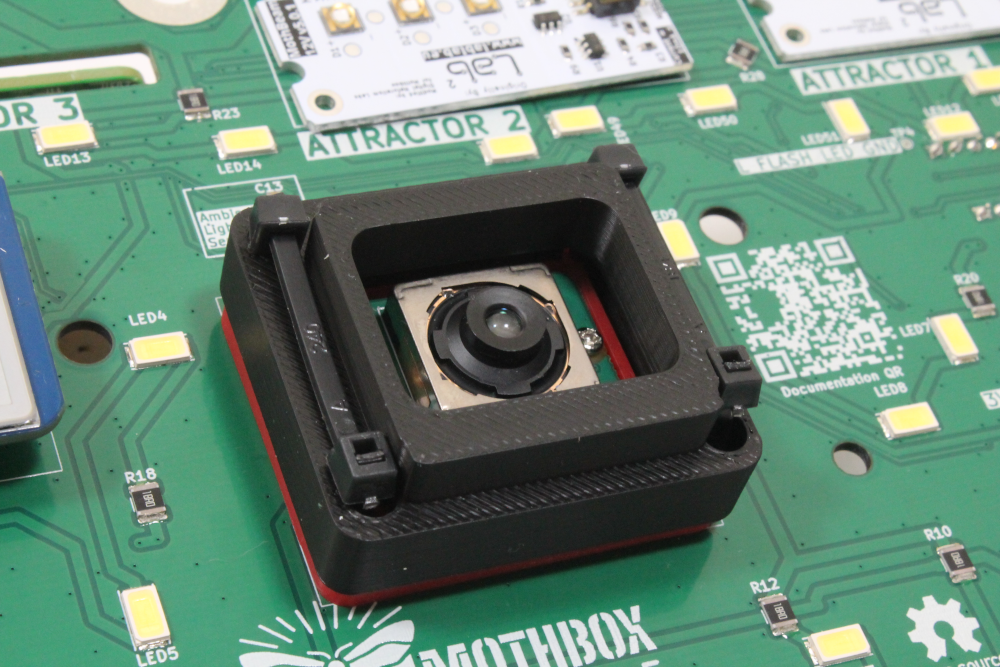
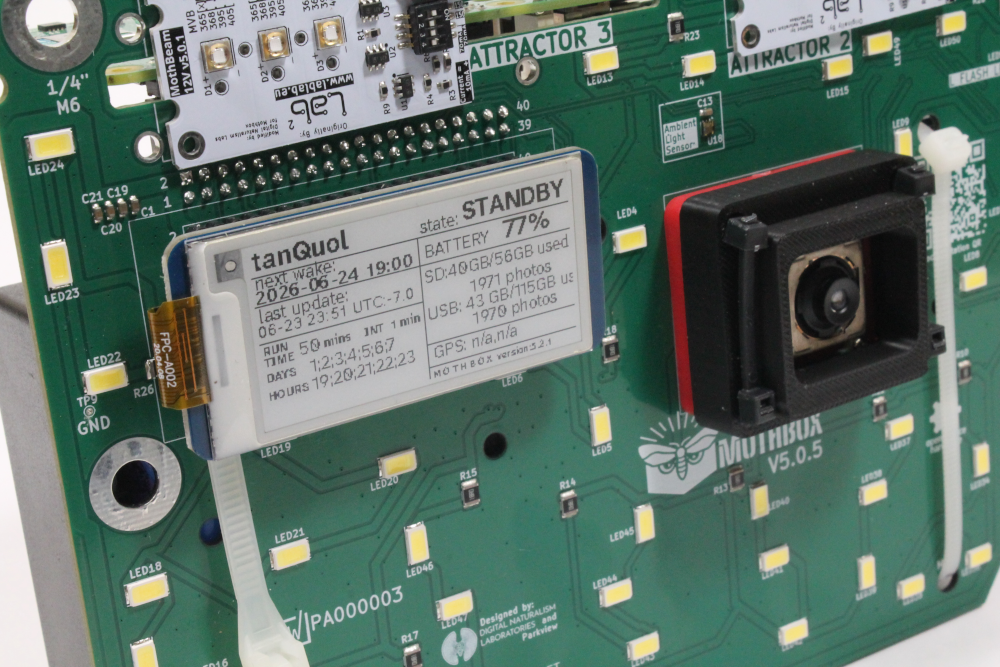
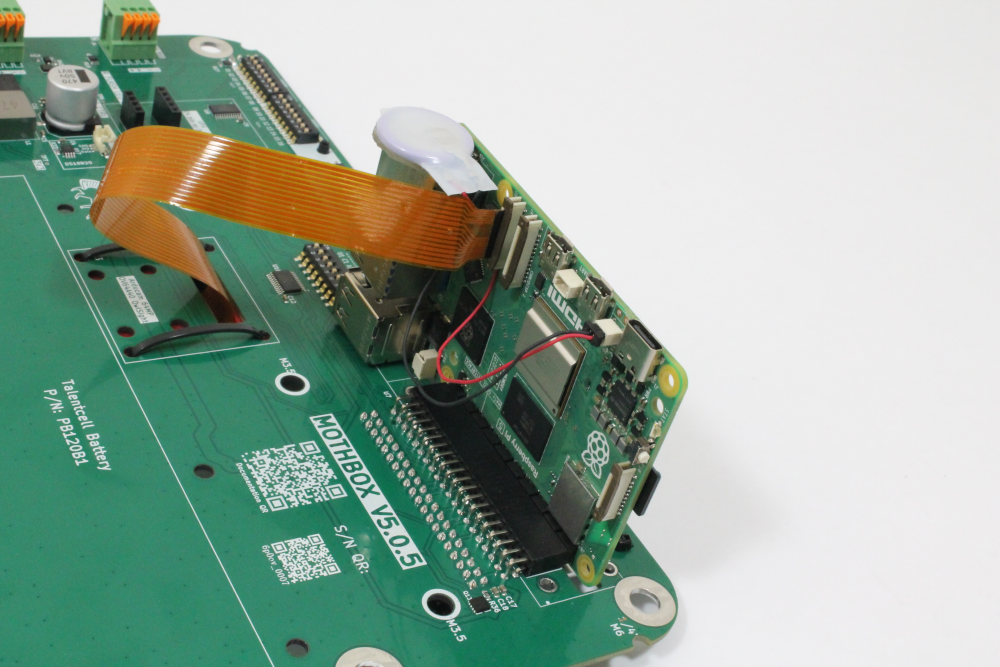
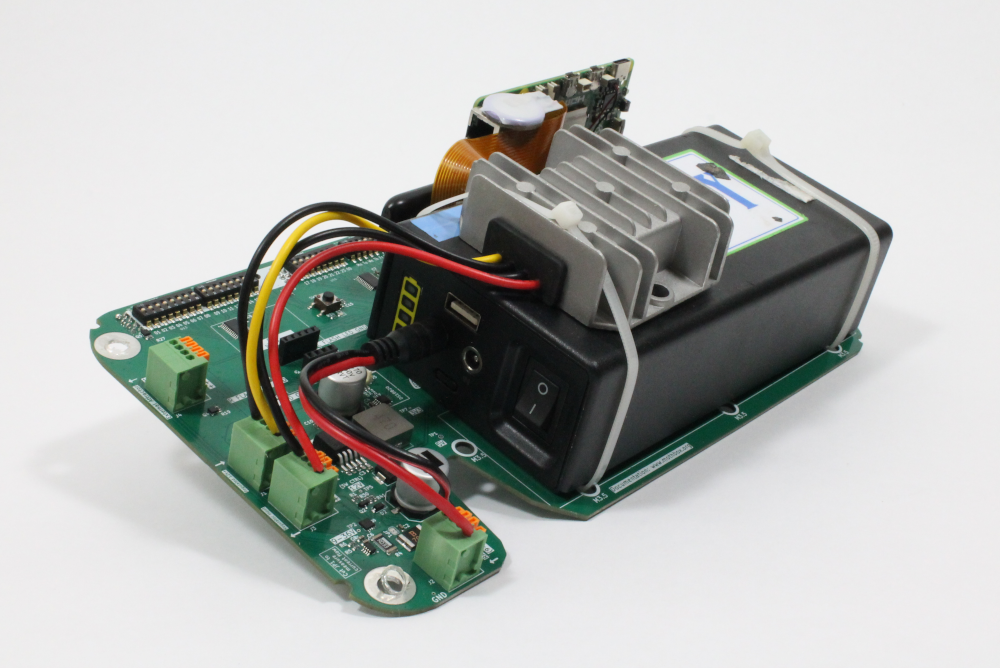
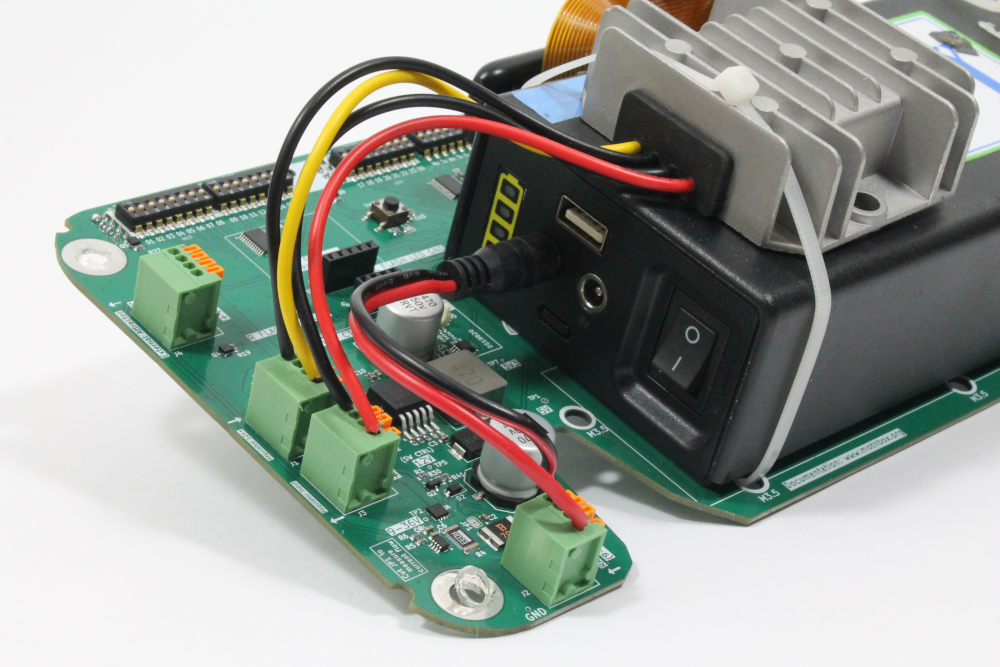
Mounting the battery and wiring
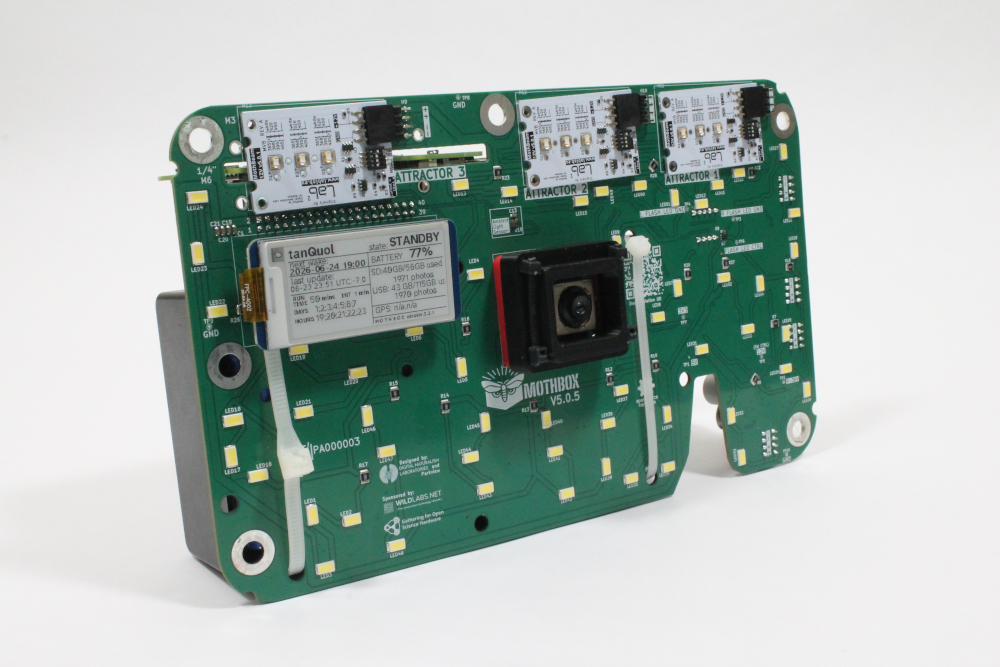
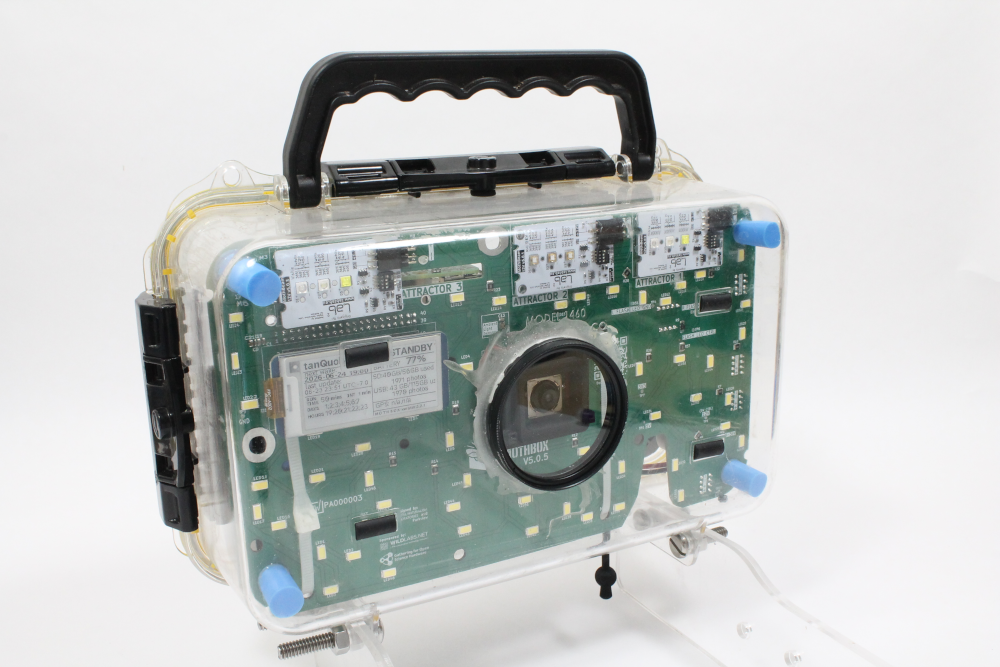
Example Data Collection
We have been testing both the Mothbox Pro and DIY versions. The Mothbox is mounted to a tree in the backyard of our LA-area space. Some sample images are shown below from data collected over 5 consecutive nights.
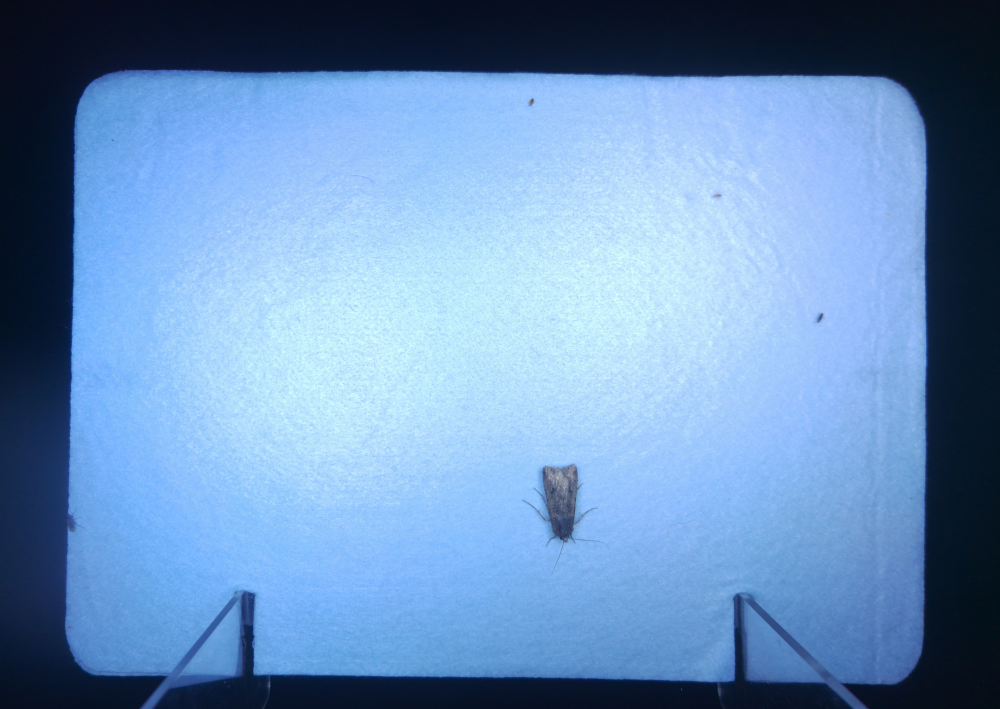
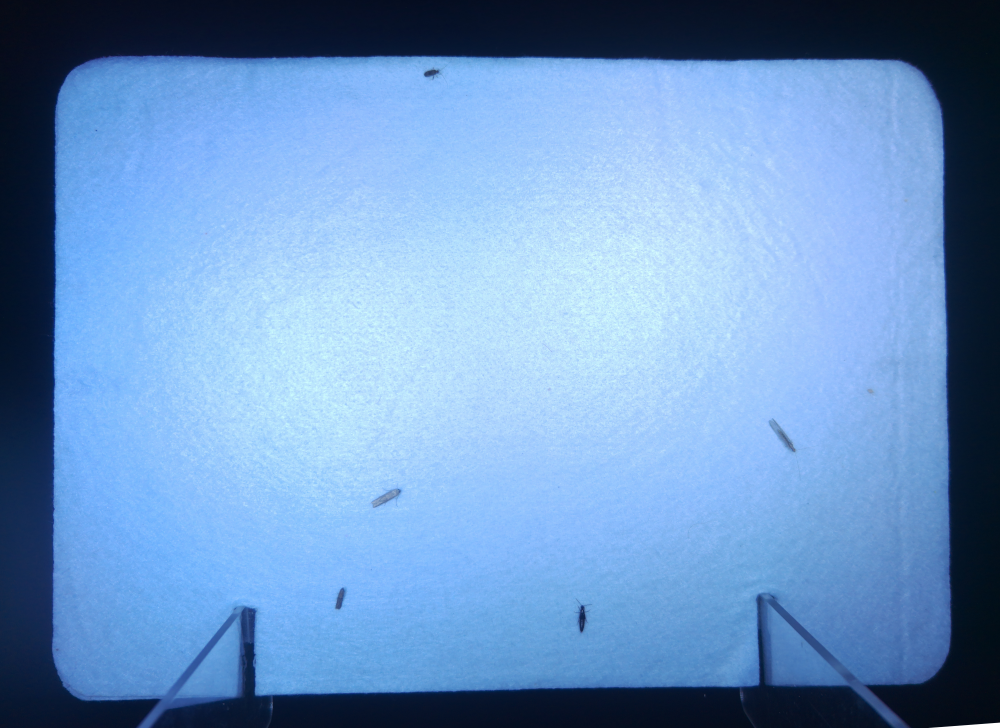
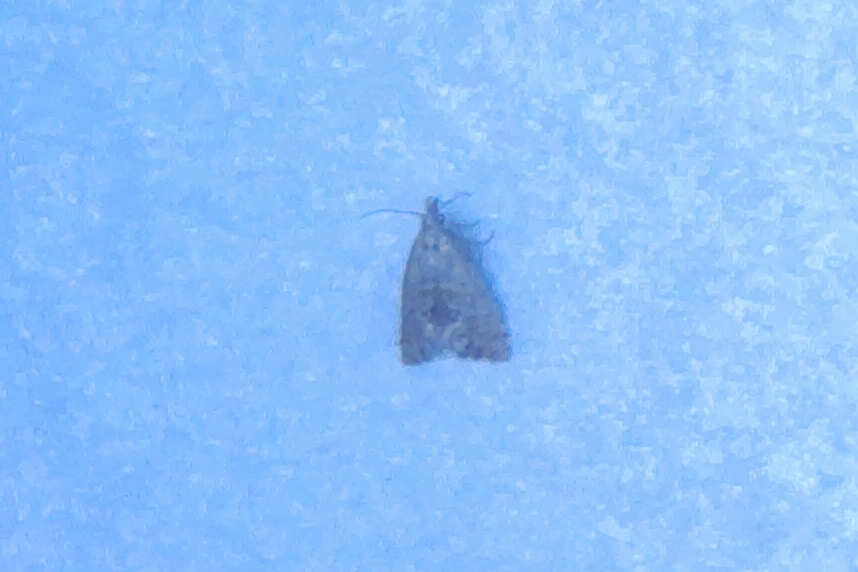
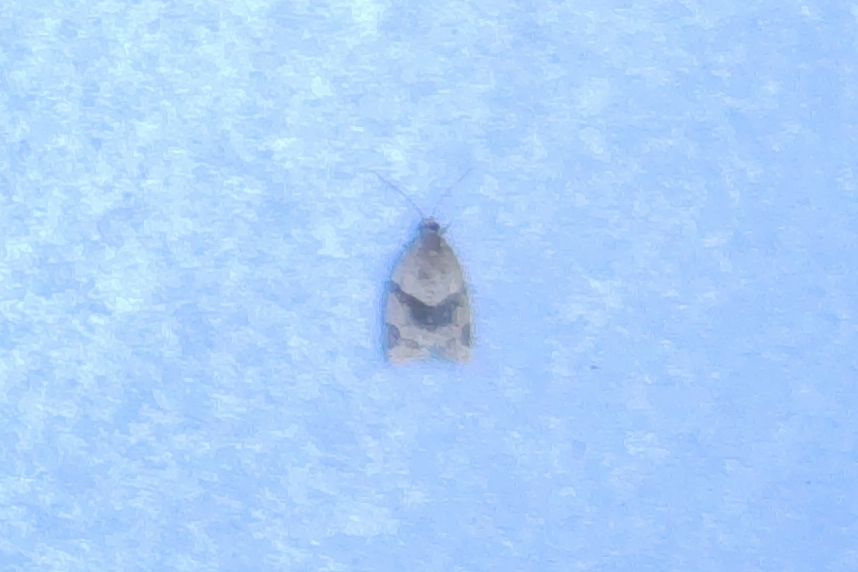
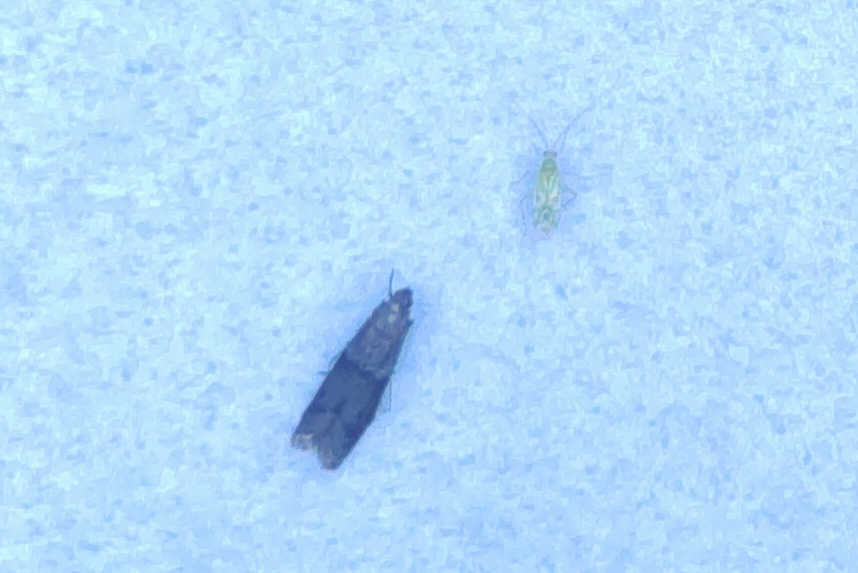
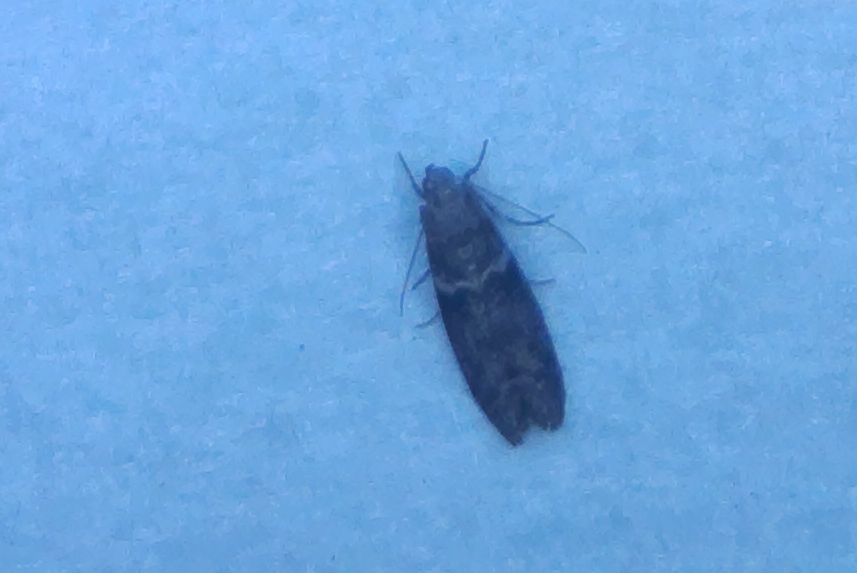
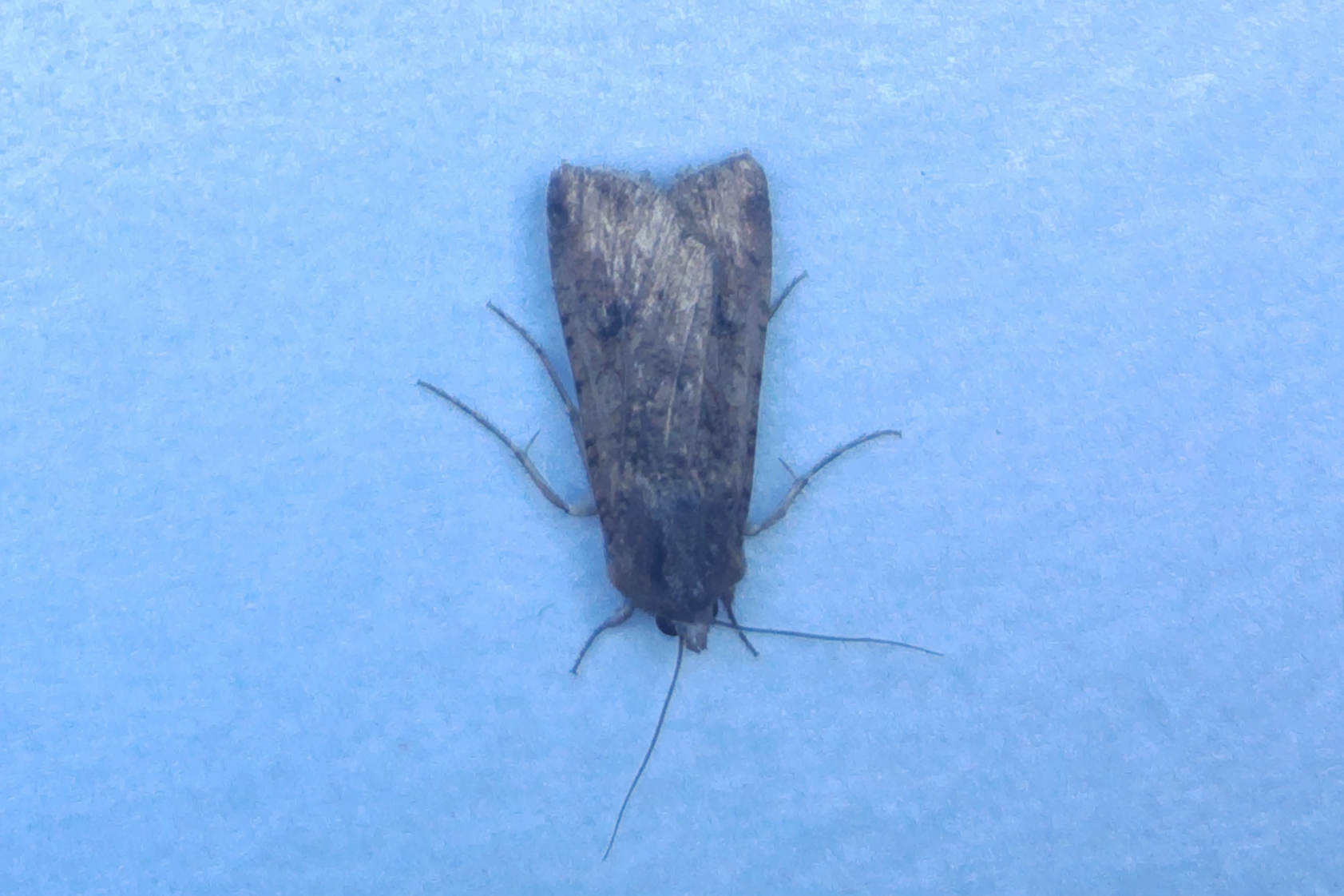
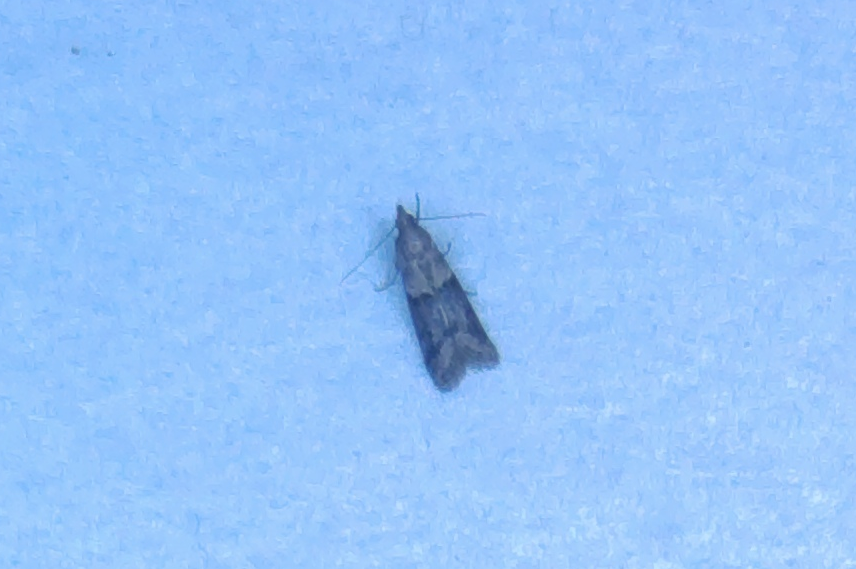
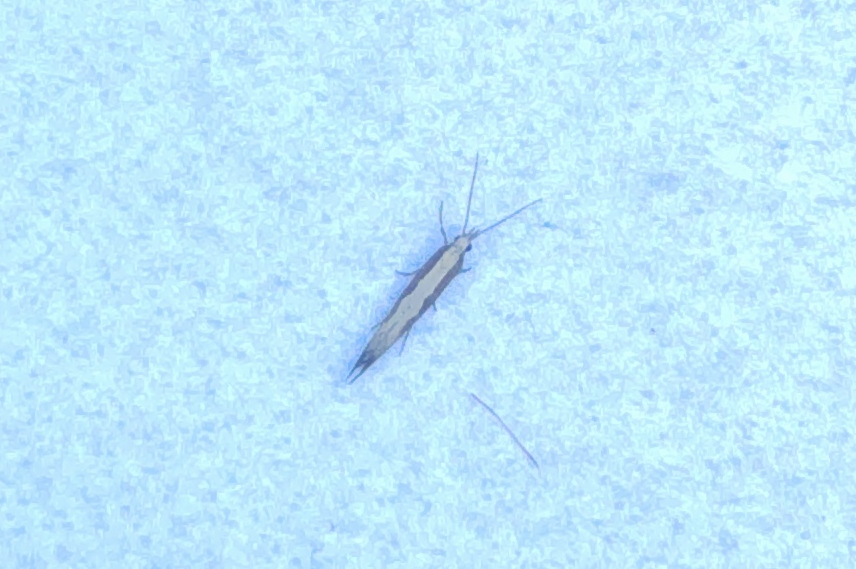
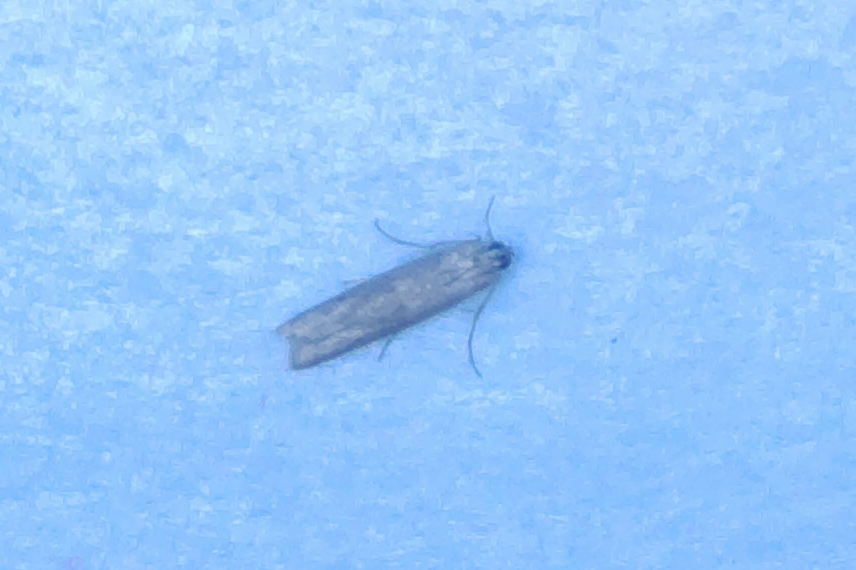
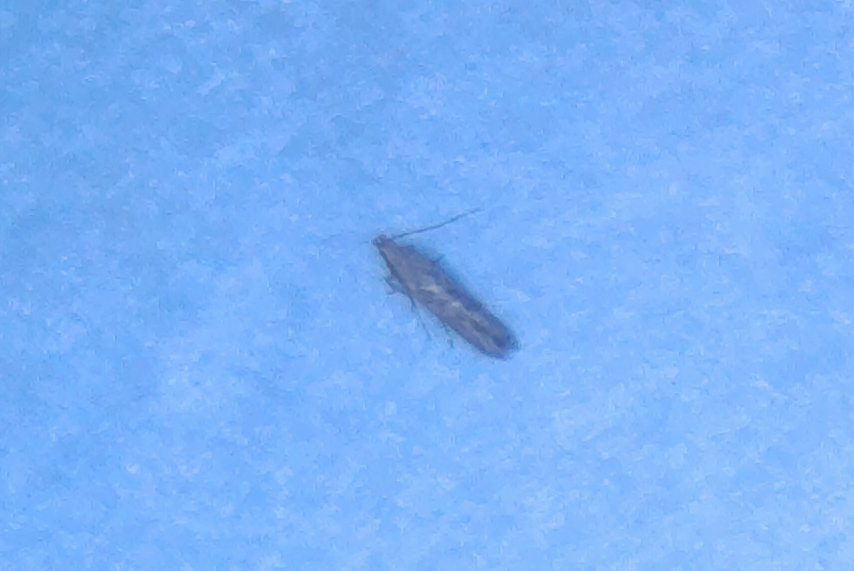
Some images taken from our Mothbox over several nights of sampling.
Next Steps:
These next steps will be featured in future Mothbox blog posts.
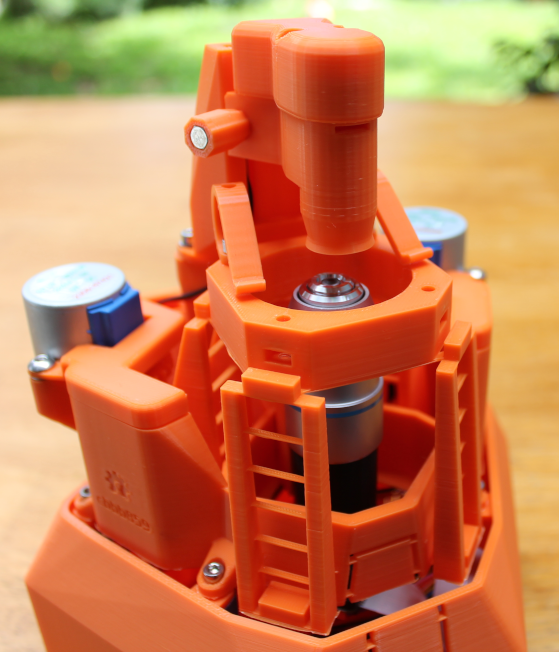
- Waterproof Enclosure: Currently we have been using the DIY version Plan acrylic case. However, the Mothbox Pro has a new 3D-printed enclosure, so likely we will test that printing and using this next.
- Mothbot: We have collected alot of images during our testing. The next steps will be to use the Mothbot processing and classification software tools.


Comments ()